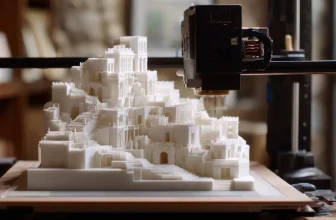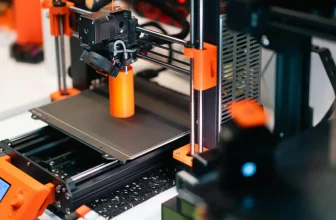

If you’ve ever thought about turning your creative ideas into profitable products, 3D printing might be your answer. It’s not just about having a printer; it’s about choosing the right one, picking the best materials, and designing products that actually sell. Understanding these essential elements can set you up for success. So, what’s the first step you need to take to make your vision a reality?
Selecting the Right 3D Printer for Your Needs
Choosing the right 3D printer can feel overwhelming, but it doesn’t have to be. Start by assessing your specific needs. Are you creating prototypes, intricate designs, or functional parts? Different printers cater to various purposes, so it’s crucial to know what you’ll be making.
Next, consider the printing technology; FDM, SLA, and SLS each have unique advantages. Think about your budget, too—there’s a wide range of options available. Don’t forget to factor in print quality, speed, and material compatibility.
Research user reviews and seek recommendations from fellow creators. Finally, ensure the printer has adequate support and community resources to help you troubleshoot along the way. With the right choice, you’ll be well on your way to bringing your ideas to life!
Designing Your First Product: Tips and Tools
Before diving into 3D design, it’s essential to have a clear vision of what you want to create. Start by sketching your idea on paper; this helps clarify your thoughts and identify potential challenges.
Once you have a solid concept, choose a design software that fits your skill level. Programs like Tinkercad are great for beginners, while Blender offers more advanced features.
Focus on functionality and ease of use, ensuring that your design can be printed without complications. Don’t hesitate to seek inspiration from online communities or existing products.
Lastly, remember to iterate. Test and refine your design based on feedback or printing results, leading you closer to a product that not only looks good but also sells well.
Materials Matter: Choosing the Best Filaments
Selecting the right filament can make all the difference in your 3D printing projects. Different materials offer unique properties, so it’s crucial to choose one that suits your product’s needs.
PLA is great for beginners due to its ease of use and biodegradability, while ABS provides durability and heat resistance, perfect for functional parts. If you’re looking for flexibility, consider TPU; it’s ideal for items that need to bend.
PETG combines the best of both worlds—strong and easy to print, making it a popular choice for a variety of applications. Always test your filament with your specific printer settings to ensure optimal results.
Marketing and Selling Your 3D Printed Creations
In the competitive world of 3D printing, effectively marketing and selling your creations can set you apart from the crowd. Start by identifying your target audience; understand their needs and preferences.
Use social media platforms like Instagram and Facebook to showcase your designs, engaging potential customers with eye-catching visuals and behind-the-scenes content. Create a professional online store on platforms like Etsy or Shopify, ensuring easy navigation and secure payment options.
Don’t underestimate the power of SEO; optimize your product descriptions and images to enhance visibility. Attend local craft fairs or maker events to connect with customers face-to-face.
Lastly, encourage reviews and testimonials to build trust. With the right strategies, you can turn your passion for 3D printing into a profitable venture.
Conclusion
In conclusion, diving into 3D printing opens up a world of creative possibilities for you as a creator. By selecting the right printer, mastering design techniques, and choosing quality materials, you can bring your unique ideas to life. Don’t forget to market your products effectively on social media and engage with your community to grow your audience. Embrace the journey, stay innovative, and watch your creations flourish in the marketplace!
Trending Products