If you’re serious about your 3D printing projects, assembling the right toolkit is crucial. You’ll need a reliable printer and quality filaments to start, along with precise tools for measuring and finishing. The software you choose can make a significant difference in your designs, too. But there’s more to it than just the basics—discovering the nuances of technique can elevate your work to the next level. What else should you consider?
Essential 3D Printing Tools
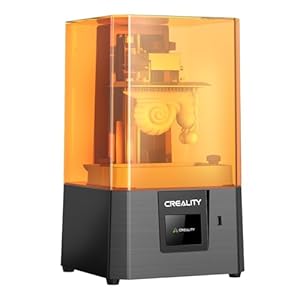
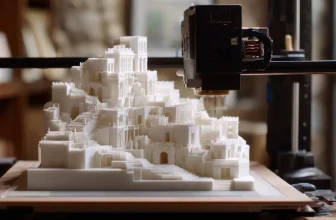
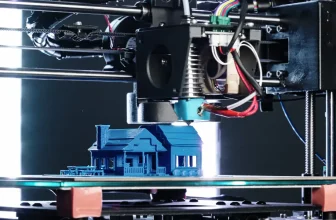
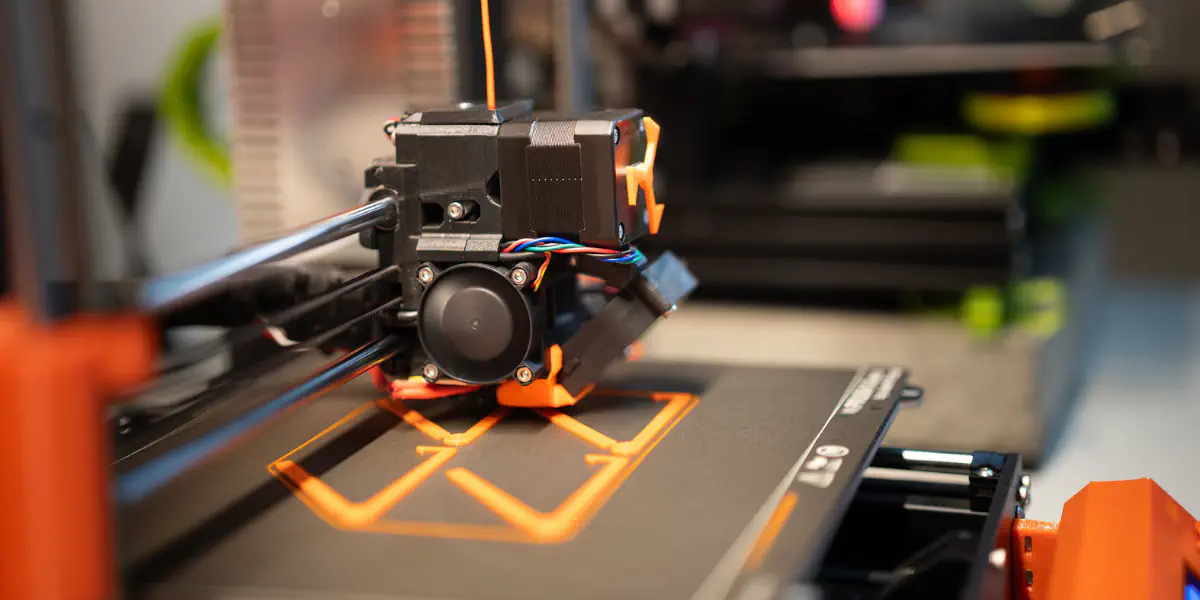
When diving into the world of 3D printing, having the right tools at your disposal can make all the difference. First, you’ll need a reliable 3D printer that suits your project’s scale and complexity.
Don’t forget quality filament; it’s crucial for achieving the best results. A good slicing software is just as important, allowing you to prepare your designs accurately.
To ensure precise prints, invest in a caliper for measuring dimensions and a scraper for easy removal of finished pieces. A set of pliers and tweezers will help you handle small parts effectively.
Finally, keep some digital calipers and a cleaning kit handy for maintenance. With these essential tools, you’ll be well-equipped to tackle any 3D printing challenge that comes your way!
Must-Have Materials for Your Projects
To achieve impressive results in your 3D printing projects, choosing the right materials is essential.
Start with PLA, a user-friendly filament perfect for beginners due to its ease of use and vibrant colors.
If you need durability, consider ABS; it’s tougher and heat-resistant, making it great for functional parts.
For flexible creations, TPU is your go-to material, allowing you to print items that need to bend.
Don’t overlook PETG, which combines the best of PLA and ABS, offering strength and ease of printing.
Lastly, specialty filaments like wood or metallic blends can add unique textures to your projects.
With the right materials, you’ll elevate your creations and impress everyone with your craft baddie skills!
Top Software for 3D Design
While selecting the right materials is crucial for your 3D printing projects, using the right design software can make all the difference in bringing your ideas to life.
Popular options like Tinkercad, Fusion 360, and Blender cater to different skill levels and project needs. Tinkercad’s user-friendly interface is perfect for beginners, while Fusion 360 offers advanced features for detailed designs. Blender, known for its versatility, is fantastic for creating intricate models.
If you’re into parametric design, OpenSCAD allows you to program your creations. Don’t forget about SketchUp for architectural designs!
Each software has its strengths, so explore them to find what best suits your style and workflow. With the right tools, your imagination can truly run wild!
Tips for Mastering 3D Printing Techniques
Mastering 3D printing techniques can significantly elevate the quality of your projects, so it’s essential to understand the fundamentals. Start by fine-tuning your printer settings—layer height, print speed, and temperature all play vital roles in the final product.
Don’t skip the calibration; it’s crucial for precision. Use high-quality filament to enhance durability and finish. Experiment with different materials to discover what works best for your designs.
Post-processing techniques like sanding and painting can add that extra flair to your prints. Keep your workspace organized to minimize errors and streamline your workflow.
Lastly, don’t hesitate to learn from others in the community—sharing tips and troubleshooting can vastly improve your skills and results.
Conclusion
With the right tools, materials, and software, you can unleash your creativity and take your 3D printing projects to the next level. Dive into the world of design, experiment with different filaments, and refine your techniques. Don’t forget to tap into the vibrant community around you for support and inspiration. Now it’s time to get started on your next project—embrace your inner craft baddie and let your imagination run wild!
Trending Products